

After completing N3: 2-4 years of practical experience as an Apprenticeship, students can apply for an Artisan job.
After completing N6 +18 months of practical experience, students can apply for a National N Diploma
Practical experience can be gained through internship, learnerships, Apprenticeship or in-service training.
The N diplomas are registered on the NQF Level 6, equivalent to a National Diploma.

Diesel Trade Theory N2
Diesel Trade Theory covers the principles and practices of diesel engine operation, maintenance, and repair. It includes topics such as:
1. Engine components and systems
2. Fuel systems and injection
3. Lubrication and cooling systems
4. Engine performance and troubleshooting
This theory is essential for diesel mechanics, technicians, and engineers working with diesel-powered equipment and vehicles.
Job prospects
- Diesel mechanic
- Workshop assistant
- Fleet maintenance technician
- Apprenticeship
Typical Duration
- 12 weeks /3 months
- 3-4 years (including practical apprenticeship and workplace experience).
Modules
DIESEL TRADE THEORY N2
📚 Textbook Modules Structure
🔹 MODULE 1: Introduction to Diesel Engineering
Overview of diesel engines
Difference between diesel and petrol engines
Applications (trucks, buses, machinery)
Basic engine terminology
🔹 MODULE 2: Workshop Safety & Tools
Workshop rules and safety procedures
Personal Protective Equipment (PPE)
Hand tools and measuring tools
Care and maintenance of tools
🔹 MODULE 3: Engine Components
Cylinder block and cylinder head
Pistons, piston rings, gudgeon pins
Crankshaft and camshaft
Valves and valve mechanisms
🔹 MODULE 4: Four-Stroke Diesel Engine Operation
Intake, compression, power, exhaust strokes
Engine cycles and timing
Basic engine diagrams
🔹 MODULE 5: Fuel System (Diesel)
Diesel fuel properties
Fuel injection systems
Injectors and fuel pumps
Fuel filters and lines
🔹 MODULE 6: Air Intake & Exhaust System
Air filters
Turbochargers (basic introduction)
Exhaust systems and emission basics
🔹 MODULE 7: Cooling System
Purpose of cooling
Radiator, water pump, thermostat
Types of cooling systems
Common faults and maintenance
🔹 MODULE 8: Lubrication System
Purpose of lubrication
Types of lubricating oils
Oil pumps and filters
Lubrication methods
🔹 MODULE 9: Electrical System (Basic)
Battery basics
Starter motor
Alternator
Basic wiring and circuits
🔹 MODULE 10: Transmission System (Introduction)
Clutch basics
Gearbox (manual transmission)
Propeller shaft and differential
🔹 MODULE 11: Fault Finding & Maintenance
Identifying engine problems
Basic troubleshooting
Preventive maintenance
Servicing procedures
🔹 MODULE 12: Engineering Drawings & Symbols
Reading simple mechanical drawings
Basic symbols used in diesel systems
Employment Areas
- Strong prospects in transport, mining ,and logistics sectors.
Plumbing Theory N2
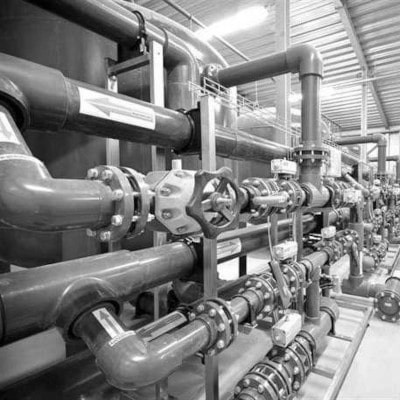
Plumbing covers water supply, drainage, appliance installation, pipe repair, and maintenance – keeping water flowing safely.
Job prospects
1. Pathway to Trade & Practical Roles
Completing Plumbing Theory N2 gives you foundational knowledge, but to work as a plumber you typically need:
Practical experience (workplace training or apprenticeship)
Further theoretical modules (N3 and above)
Completion of a trade test to become a qualified plumber/artisan
This combination is the standard route to employment in the industry. �
Career Planet
With N2, you can often begin hands‑on work as a plumbing assistant or trainee, which builds experience toward a full qualification.
🔨 2. Entry‑Level Plumbing Roles
With your N2 and some practical training (or working toward it), you may find jobs such as:
Plumbing Assistant / Tradesmate – supporting qualified plumbers on installs and repairs
Junior Plumber – basic installation and maintenance tasks on residential and commercial sites
Site Labourer in plumbing teams until you complete full credentials
Many employers in South Africa list roles requiring N2‑N3 and hands‑on experience.
🧰 3. Progression Opportunities
Once you complete your full qualification and trade test, prospects improve significantly:
📍 Skilled Tradesperson
Installing and maintaining water systems, drainage, sanitation
Working on residential, commercial, or industrial projects
These are core plumbing jobs in constant demand because plumbing is essential for all buildings and infrastructure. �
PIRB
🏗️ Advanced or Specialized Roles
With experience and further training, you can specialise in:
Drainage & sewage systems
Solar and green plumbing
Gas and HVAC connections
Specialists often earn more and are sought after in niches.
💼 4. Self‑Employment and Entrepreneurship
One of the biggest advantages of plumbing is the potential to start your own business. Many plumbers become self‑employed once they gain experience and a client base — offering flexibility, higher income potential, and independence. �
PIRB
💰 5. Salary & Financial Prospects (South Africa)
Entry Level: Plumbers starting out can earn in the range of about R6,000 – R12,000 per month depending on experience and location.
Unisasapplication
Experienced & qualified: With full qualifications and work experience, earnings can grow significantly (some reports show up to R15,000 – R25,000+ per month), and self‑employed plumbers can earn more depending on business success.
🌍 6. Long‑Term & Global Mobility
Plumbing skills are transferable internationally. In many countries (Europe, Australia, New Zealand), qualified plumbers are in demand and can migrate or work abroad if they meet local licensing requirements. Many South African tradespeople find overseas opportunities after gaining experience. �
Reddit
🧠 7. Job Security & Demand
Plumbing is an essential trade — water systems and sanitation are needed in every building and community. This generally leads to stable demand for qualified plumbers, making it a resilient career choice even in economic downturns.
South Africa Lists
📈 Summary: What You Can Expect After N2
Career Step
Typical Roles
After N2
Plumbing Assistant, Trainee
With N3 + Trade Test
Qualified Plumber
With Experience
Specialist roles (gas, green plumbing)
Long‑term
Business owner, project foreman
✅ In short: Plumbing Theory N2 is a solid start toward a stable and practical career in plumbing. It opens the door to hands‑on roles initially and with continued training/apprenticeship can lead to good job prospects, decent earnings, and long‑term career growth — including the option to run your own plumbing business.
PIRB
Would you like a career roadmap showing the steps from N2 to becoming a fully qualified plumber (with time estimates)?
Typical Duration
- 12 weeks /3 months
- 2-3 years (plus work experience or internship)
Modules
1. Safety and Health in Plumbing
Personal Protective Equipment (PPE) for plumbers
Hazards in plumbing work (chemical, physical, electrical)
Safe working practices and regulations
First aid and emergency procedures.
2. Tools and Equipment
Hand tools: pipe cutters, spanners, hammers, pliers
Power tools: drills, pipe threading machines, welding tools
Measuring instruments: spirit level, tape measure, vernier calipers
Selection, care, and maintenance of plumbing tools.
3. Materials in Plumbing
Types of pipes:
Metal pipes: Copper, Steel, Galvanized
Plastic pipes: PVC, PPR, HDPE
Fittings: elbows, tees, reducers, couplings, unions
Valves: gate, globe, ball, check valves
Joining methods: soldering, brazing, welding, solvent cement.
4. Pipework Installation
Basic pipe layouts (horizontal, vertical, and inclined)
Measuring and cutting pipes accurately
Joining pipes and fittings
Supports, hangers, and clamps
Expansion, contraction, and allowance for thermal movement.
5. Drainage and Sanitation
Principles of domestic and industrial drainage
Types of drainage systems: open, closed, combined
Traps and venting
Sewerage systems: main sewers, house connections
Stormwater drainage.
6. Water Supply Systems
Sources of water supply: municipal, boreholes, tanks
Cold water installation: mains, storage, distribution
Hot water systems: geysers, solar heaters, heat pumps
Pumps: types, operation, and maintenance.
7. Plumbing Codes and Standards
SANS (South African National Standards) applicable to plumbing
Building regulations for water supply and sanitation
Testing and inspection requirements.
8. Maintenance and Fault Finding
Common plumbing faults: leaks, blockages, corrosion
Methods of diagnosing issues
Repairs and preventive maintenance
Record keeping of maintenance activities.
9. Basic Welding and Soldering
Soldering of copper pipes
Welding of steel pipes
Safety precautions while joining metal pipes.
10. Energy and Sustainability in Plumbing
Water conservation techniques
Energy-efficient plumbing appliances
Rainwater harvesting and greywater reuse
Employment Areas
- Plumbing Assistant,
- Trainee With N3 + Trade Test
- Qualified Plumber With Experience
- Specialist roles (gas, green plumbing)
- Long‑term, Business owner, project foreman
Rigging N2
After completing N2 Plumbing Theory or N2 Rigging Theory, students are mostly not yet fully qualified tradespeople, so the jobs they can take are generally entry-level or trainee positions. Here’s a clear breakdown by trade:
Job prospects
- RiggerCrane
- Rigger
- Rigging Supervisor
Typical Duration
- 12 weeks /3 months
- 1-3 years (including workplace experience or learnerships)
Modules
1. Introduction to Rigging
Definition and purpose of rigging
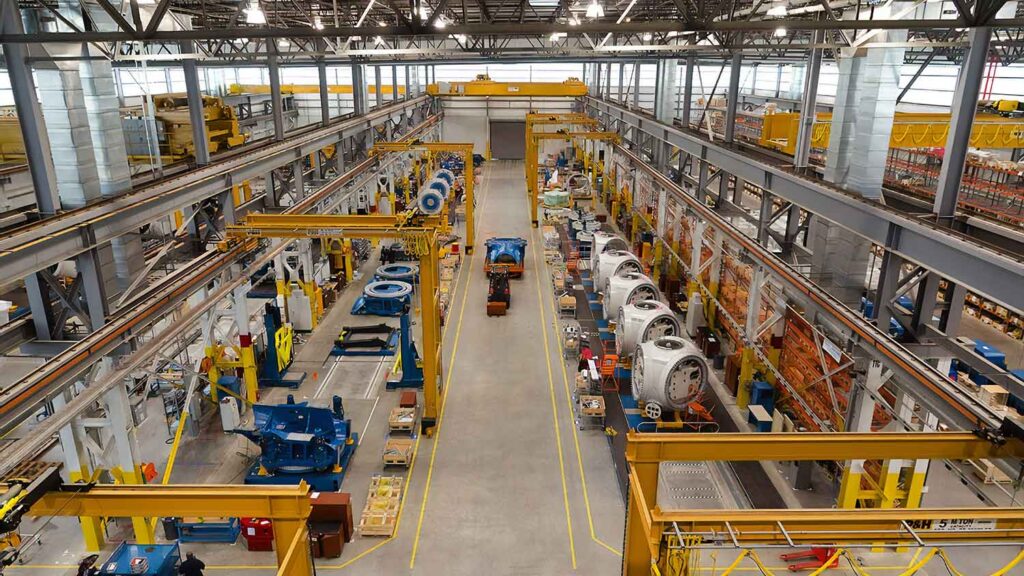
Role of a rigger in construction, engineering, and industrial sites
Types of riggers: basic rigger, slinger, signaler
Responsibilities and professional conduct.
2. Safety and Health in Rigging
Occupational Health and Safety (OHS) requirements
Personal Protective Equipment (PPE)
Common hazards: electrical, mechanical, environmental
Safe working practices and emergency procedures
Accident prevention and reporting.
3. Rigging Equipment
Lifting machinery: cranes, hoists, winches, forklifts
Rigging gear:
Slings: chain, wire rope, synthetic
Hooks, shackles, eyebolts, turnbuckles
Spreader beams, lifting beams
Inspection, maintenance, and certification of rigging equipment.
4. Types of Loads and Load Handling
Load classification: balanced, unbalanced, irregular
Calculating load weight and center of gravity
Methods for securing loads
Manual vs mechanical handling techniques.
5. Rope and Chain Rigging
Types and properties of lifting ropes: steel wire, synthetic, natural fiber
Knots, hitches, and splices
Chain slings: types, safe working loads (SWL)
Rigging angles and load distribution.
6. Lifting Machines Operation Basics
Types of cranes: mobile, tower, overhead
Crane operation principles
Load charts, lifting capacities, and limitations
Signaling: hand signals and radio communication
Preparation of lift plans.
7. Load Control and Movement
Techniques to control swinging, spinning, or uncontrolled loads
Guiding loads in confined spaces
Communication between rigger, crane operator, and team.
8. Lifting Plans and Documentation
Reading and interpreting rigging drawings
Preparing lift plans for simple and complex operations
Recording equipment inspections and maintenance
Understanding statutory requirements.
9. Rigging Calculations and Theory
Weight calculations for different materials
Mechanical advantage with pulleys and tackles
Load factor, angle factor, safety margins
Safe working load (SWL) determination
Physics principles: force, tension, leverage.
10. Practical Exercises
Rigging and lifting pipes, beams, and machinery
Assembling and inspecting rigging gear
Performing supervised lifts.
Simulated emergency scenarios
💡 Textbook Tips:- Include diagrams for slings, shackles, hooks, cranes, and load movement.
- Each module should have: Theory,
- Illustrations, Practical Exercises, and
- Revision Questions.
- Emphasize safety—rigging is high-risk work.
Employment Areas
- Construction: Building sites, cranes, and heavy lifting ops.Mining: Rigging for mining operations and equipment handling.
- Shipping and Logistics: Ports and cargo handling.
- Manufacturing: Factories with heavy equipment or machinery installation.
- Oil and Gas: Rigging for offshore platforms or plant maintenance.
- Event Management: Setting up stages, lighting, and structures.
Platers Theory N2
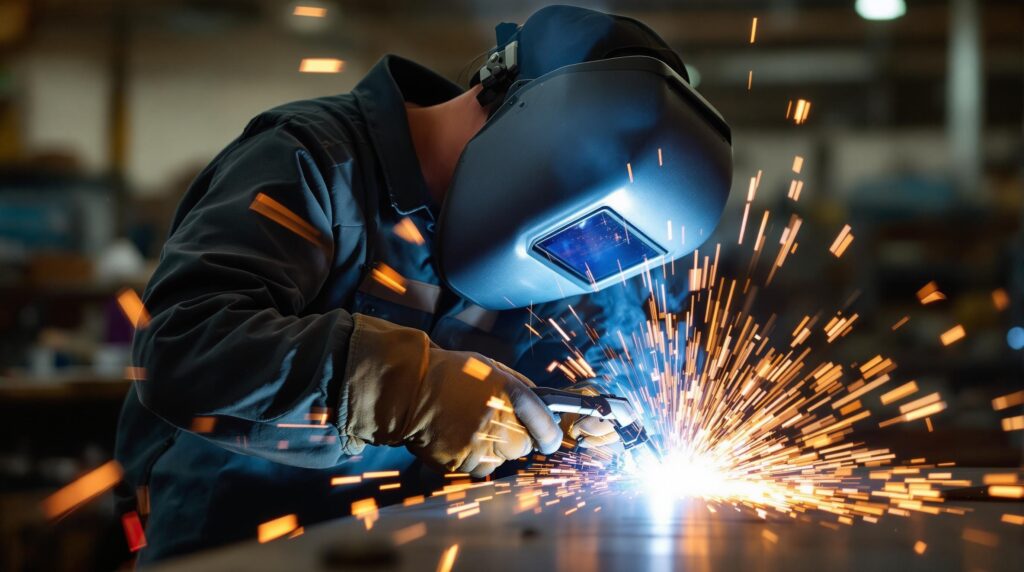
Platers Theory N2 is a course offered in South African vocational education, focusing on the skills and knowledge required for platers and welders. The curriculum covers various topics, including:
Machines: Understanding and operating equipment like plate bending rolls, punching machines, and pedestal drilling machines.
Rolling and Bending: Techniques for bending and shaping metal plates and profiles.
Joining of Steel Profiles: Methods for joining steel sections, including welding and bolting.
General Pipe Work: Installation, maintenance, and repair of pipe systems.
Steel Structures: Design, construction, and maintenance of steel structures.
Templates: Creating and using templates for accurate cutting and shaping.
Gas Welding and Cutting: Techniques for gas welding and cutting metals.
Arc Welding: Principles and practices of arc welding.
Calculations and Planning: Mathematical calculations and planning for plating and welding projects.
Job prospects
- Boiler Maker Artisan
- Manufacturing Industries
- Engineering Industries
- Construction Industries
- Apprenticeship
Typical Duration
- 12 weeks /3 months
- 3-4 years (with apprenticeship)
Modules
Machines: Understanding and operating equipment like plate bending rolls, punching machines, and pedestal drilling machines.
Rolling and Bending: Techniques for bending and shaping metal plates and profiles.
Joining of Steel Profiles: Methods for joining steel sections, including welding and bolting.
General Pipe Work: Installation, maintenance, and repair of pipe systems.
Steel Structures: Design, construction, and maintenance of steel structures.
Templates: Creating and using templates for accurate cutting and shaping.
Gas Welding, Cutting and Plasma Cutting: Techniques for gas welding and cutting metals.
Arc Welding: Principles and practices of arc welding.
Calculations and Planning: Mathematical calculations and planning for plating and welding projects.
Employment Areas
- Broad opportunities in mechanical engineering, Manufacturing, Construction and maintenance sectors.
Instrument Trade Theory N2
Instrumentation basics: Measurement principles, instrument types, and symbols.
Process control: Control loops, feedback, and process variables.
Instrumentation equipment: Pressure, temperature, flow, and level measurement.
Installation and calibration: Instrument installation, calibration, and maintenance.
Safety and regulations: Safety standards and regulations in instrumentation.
Job prospects
Instrumentation Technician: Responsible for installing, maintaining, and troubleshooting instrumentation systems.
Instrument Mechanician: Involves diagnosing and repairing instrumentation equipment.
Control and Instrumentation Engineer: Designs and implements control systems for various industries.
Typical Duration
- 12 weeks /3 months
- 2-3 years (depending on specialization and practical exposure)
Modules
INSTRUMENTS TRADE THEORY N2
📚 Textbook Modules Structure
🔹 MODULE 1: Introduction to Instrumentation
Definition of instrumentation
Purpose in industry (mining, plants, factories)
Types of instruments (measuring & control)
Basic instrumentation systems
🔹 MODULE 2: Measurement Fundamentals
Units and standards (SI units)
Accuracy, precision, and errors
Calibration of instruments
Sensitivity and range
🔹 MODULE 3: Pressure Measurement
Types of pressure (atmospheric, gauge, absolute)
Pressure measuring instruments:
Bourdon tube
Manometers
Applications in industry
🔹 MODULE 4: Temperature Measurement
Temperature scales (°C, K, °F)
Thermometers:
Liquid-in-glass
Bimetallic
Thermocouples (basic introduction)
Industrial applications
🔹 MODULE 5: Flow Measurement
Types of flow (laminar & turbulent)
Flow measuring devices:
Orifice plate
Venturi meter
Basic principles of fluid flow
🔹 MODULE 6: Level Measurement
Methods of level measurement
Float systems
Sight glass
Basic level indicators
🔹 MODULE 7: Electrical Fundamentals for Instrumentation
Basic electrical concepts:
Voltage
Current
Resistance
Simple circuits
Measuring instruments:
Ammeter
Voltmeter
Ohmmeter
🔹 MODULE 8: Control Systems (Introduction)
Open-loop and closed-loop systems
Basic control principles
Feedback systems
Simple block diagrams
🔹 MODULE 9: Valves and Actuators
Types of valves (gate, globe, control valves)
Valve operation
Introduction to actuators
🔹 MODULE 10: Safety and Maintenance
Instrument safety procedures
Employment Areas
- Career Growth Path
With experience and further studies (N2–N6): - Instrumentation Assistant
- Instrument Technician
- Senior Technician
- Instrumentation Specialist
- Control Systems
- Technician / Engineer

Water and Waste Treatment Practice N3
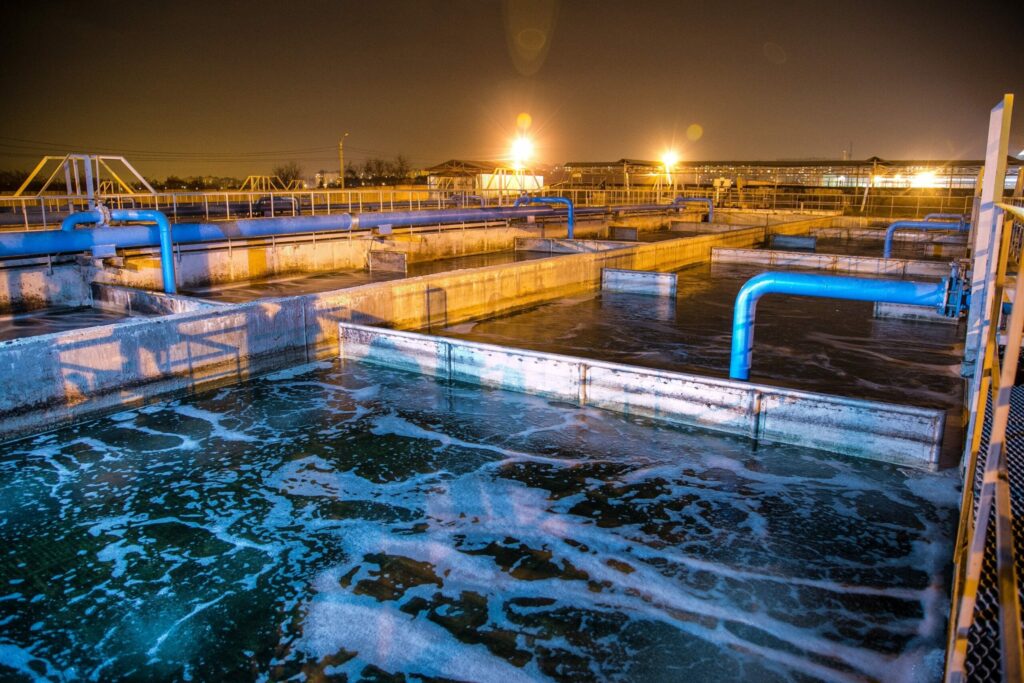
Water and Waste Treatment Practice N3 covers the principles and practices of treating water and wastewater, including:
1. Water treatment processes (coagulation, sedimentation, filtration, disinfection)
2. Wastewater treatment processes (primary, secondary, tertiary treatment)
3. Water quality analysis and testing
4. Safety procedures and regulations
This course provides practical skills for water and wastewater treatment plant operators, focusing on safe and effective treatment processes.
Job prospects
- Water plant operator
- Waste treatment technician
- Lab assistant
- Apprenticeship
Typical Duration
- 12 weeks /3 months
- 1-2 years (often includes in –service training)
Modules
- Module 1: Wastewater sources and characteristics
- Module 2: Collection systems and preliminary
- Module 3 : Primary and secondary treatment
- Module 4: Tertiary treatment and Disinfection
- Module 5: Sludge treatment and disposal
- Module 6: Process monitoring and control
- Module 7 : Health ,safety, and environmental impact
- Module 8 : Operational procedures and plant records
Employment Areas
- Municipalities and private water treatment companies hire for this skill.
Water Treatment Practice N3
Water Treatment Practice N3 covers the principles and methods of treating water for safe consumption, including:
1. Coagulation and flocculation
2. Sedimentation
3. Filtration
4. Disinfection
5. Water quality testing and analysis
It prepares students for roles in water treatment plant operation, maintenance, and management.
Job prospects
- Water purification operator
- Water quality technician
- Apprenticeship
Typical Duration
- 12 weeks /3 months
- 1-2 years (plus workplace training or learnership)
Modules
- Module 1: Introduction to water sources and quality
- Module 2: Coagulation and flocculation
- Module 3 : Sedimentation and filtration
- Module 4: Disinfection methods ( Chlorine,Ozone,UV)
- Module 5: Chemical dosing systems
- Module 6: Water storage and distribution
- Module 7 : Quality Monitoring And Lab Testing
- Module 8 : Safety,regulation,and recordkeeping
Employment Areas
- Important for public health and sanitation ,often regulated by DWS ( Department of Water and Sanitation)
Electrical Engineering
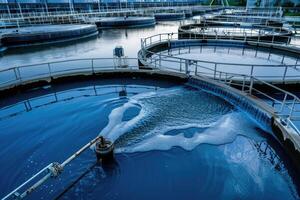
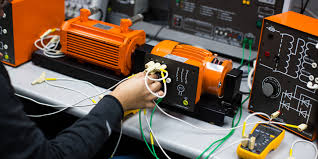
Electrical Engineering involves designing, developing, testing, and maintaining electrical systems and equipment. Key areas include:
1. Power generation and distribution
2. Electronics and circuits
3. Control systems
4. Telecommunications
Electrical engineers work on projects like renewable energy, smart grids, robotics, and consumer electronics. It’s a field that requires strong problem-solving skills and knowledge of electrical principles and technologies.
Job prospects
Job prospects
- Electrical technician
- Control and Instrumentation Technician
- Maintenance Technician
- Renewable Energy Technician
Industries :
- Municipalities
- Eskom
- Mines
- Factories
- Construction
- Renewable energy
Typical Duration
Duration :
- 12weeks/3months
- 18 -24 months ( for N4-N6) then 18 months of in-service training for the National Diploma
- Total Time to Technician Status : ± 3.5years
Subjects
N4 Level :
- Electrotechnics N4
- Industrial electronics N4
- Engineering science N4
- Mathematics N4
N5 Level :
- Electrotechnics N5
- Industrial electronics N5
- Engineering science N5
- Mathematics N5,etc
N6 Level :
- Electrotechnics N6
- Industrial electronics N6
- Engineering science N6
- Mathematics N6,etc
Employment Areas
Job prospects
- Electrical technician
- Control and Instrumentation Technician
- Maintenance Technician
- Renewable Energy Technician
Industries :
- Municipalities
- Eskom
- Mines
- Factories
- Construction
- Renewable energy
Mechanical Engineering
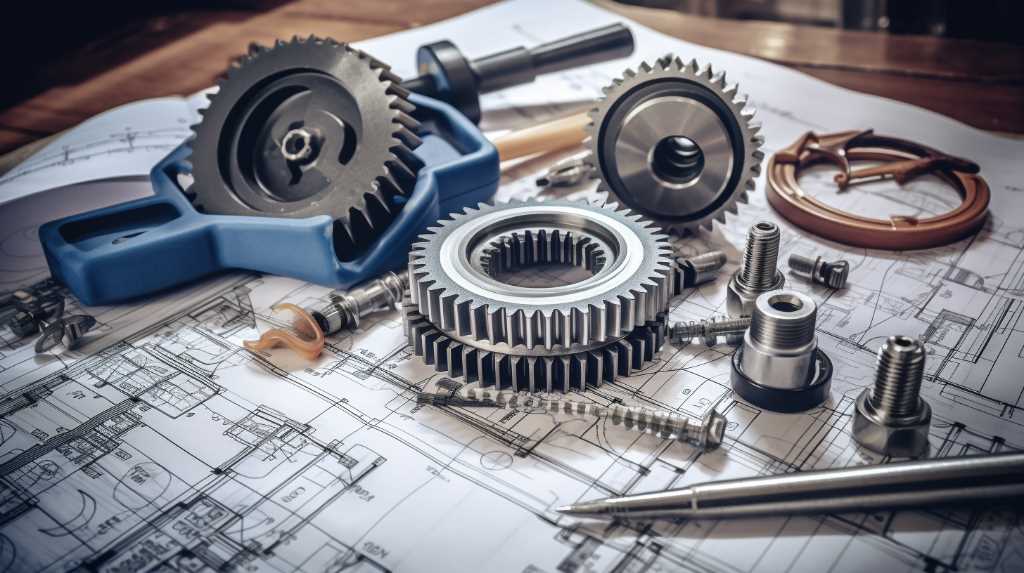
Mechanical Engineering involves designing, building, and maintaining mechanical systems and devices. Key areas include:
1. Machine design and manufacturing
2. Thermodynamics and heat transfer
3. Fluid mechanics and hydraulics
4. Robotics and mechatronics
Mechanical engineers work on projects like engines, HVAC systems, automotive systems, and industrial machinery. It requires problem-solving skills, creativity, and knowledge of mechanical principles and materials.
Job prospects
Job prospects
- Mechanical technician
- Fitter and Turner Technician
- Maintenance Planner
- CAD Design Assistant (with Auto CAD)
Industries :
- Municipalities
- Eskom
- Mines
- Factories
Typical Duration
Duration :
- 12weeks/3months
- 18 -24 months ( for N4-N6) then 18 months of practical training/internship
- Total Time to Technician Status : ± 3.5years
Subjects
N4 Level
- Mathematics N4
- Engineering science N4
- Mechanical draughting N4
- Supervisory Management N4
- Mechanotechnics N4
N5 Level
- Mathematics N5
- Power machines N5
- Mechanotechnics N5
- Supervisory Management N5
- Strength of Materials and Structures N5
- Fluid Mechanics N5
N6 Level
- Mathematics N6
- Mechanotechnics N6
- Fluid mechanics N6
- Power machines N6
- Supervisory Management N6
- Strength of Materials and Structures N6
Employment Areas
Job prospects
- Mechanical technician
- Fitter and Turner Technician
- Maintenance Planner
- CAD Design Assistant (with Auto CAD)
Industries :
- Municipalities
- Eskom
- Mines
- Factories
Civil Engineering
Civil Engineering involves designing, building, and maintaining infrastructure projects like:
1. Roads and highways
2. Bridges
3. Buildings
4. Water supply systems
5. Dams
Civil engineers work on planning, construction, and maintenance, ensuring projects are safe, efficient, and sustainable. They apply math, physics, and materials science to solve real-world problems.
Job prospects
Job prospects
- Civil Engineering technician
- Site Supervisor
- Quantity Surveying Assistant
- Municipal Infrastructure Assistant
Industries:
- Construction companies
- Consulting firms
- Public works departments.
Typical Duration
Duration:
- 12weeks/3months
- 18 -24 months (for N4-N6) then 18 months of in-service training
- Total Time to Technician Status: ± 3.5years
Subjects
N4 Level:
- Building administration N4
- Construction materials N4
- Mathematics N4
- Building and structural construction N4
N5 Level:
- Building administration N5
- Building and structural surveying N5
- Building and structural construction N5
- Mathematics N5
N6 Level:
- Quantity surveying N6
- Building and structural surveying N6
- Building and structural construction N6
- Mathematics N6
Employment Areas
Job prospects
- Civil Engineering technician
- Site Supervisor
- Quantity Surveying Assistant
- Municipal Infrastructure Assistant
Industries:
- Construction companies
- Consulting firms
- Public works departments.

FAQs
What are the short courses ?
These short courses are ideal for school leavers, job seekers, and community members who want to build their skills fast. Our courses are practical, short –term, and designed to give you skills you can use immediately-either at home, in your community, or as a step toward employment.
Are ther any Recognized Qualifications ?
Recognized Qualifications
- N Diploma Achieved: 2 students have successfully achieved their N Diploma
- N6: Over 50 students have completed their full N6, proving our commitment to accredited, high –quality education.
- N1-N2 Certificates: Over 100 students have completed their full N1-N2.
- UMALUSI N3 Certificates: Many learners have passed earning official certificates through Umalusi.
- QCTO Certifications: Students have completed accredited N4-N6 certificate ready to enter the workforce or start their own businesses.
Graduate Outcomes
- Apprenticeships, learnership, internship & Artisan: Former learners are now registered qualified artisans, working in industries through apprenticeships and practical training.
- Technicians in Action: Our technical training has produced electrical and mechanical technicians currently employed.
- Entrepreneurs: Several students have gone on to start their own small businesses using the entrepreneurial skills gained at our academy.
Does Future Success Offer Accredited & Recognized Programs ?
We offer programs certified by QCTO, UMALUSI green list, NPO, DHET for sitting of exams, a member of SAIOSH, awaiting member approval of SAPICS-giving you qualifications that open real doors.
What Are Future Success contact details ?
Call/WhatsApp:
0823409464 / 0648663321
Email:
info@futuresuccessskillsacademy.co.za
Website:
Homepage
Office Hours:
Monday – Friday: 07:30 -16:30
Saturday: 09:00- 13:00 (by appointment)
What Courses do you offer ?
- NATED programs –Accredited, career-driven technical education.
- Matric Rewrite programs –Giving learners a second chance at success.
- Basic skills & Digital Literacy-Practical training for employment and personal growth
- Youth Development Workshop- Entrepreneurship and leadership skills.
- Community Outreach – Bringing opportunity to those who need it most.
Is Future Success an online college
Yes Future Success Skills Academy is both an Online and face-to-face college.
Where is Future Success Located ?
We are Located at; 1506 Klarinet Ext 3, Thusong Centre, Klarinet, eMalahleni, 1035, Mpumalanga Province
How do I Eroll for a Course at Future Success Skills Academy ?
Register online or Contact us through the contact form on our website